
Contact Improvisation
What is Contact Improvisation?
There are many ways of defining the dance form Contact Improvisation (CI). Here are two from the leading CI publication, ‘Contact Quarterly’:
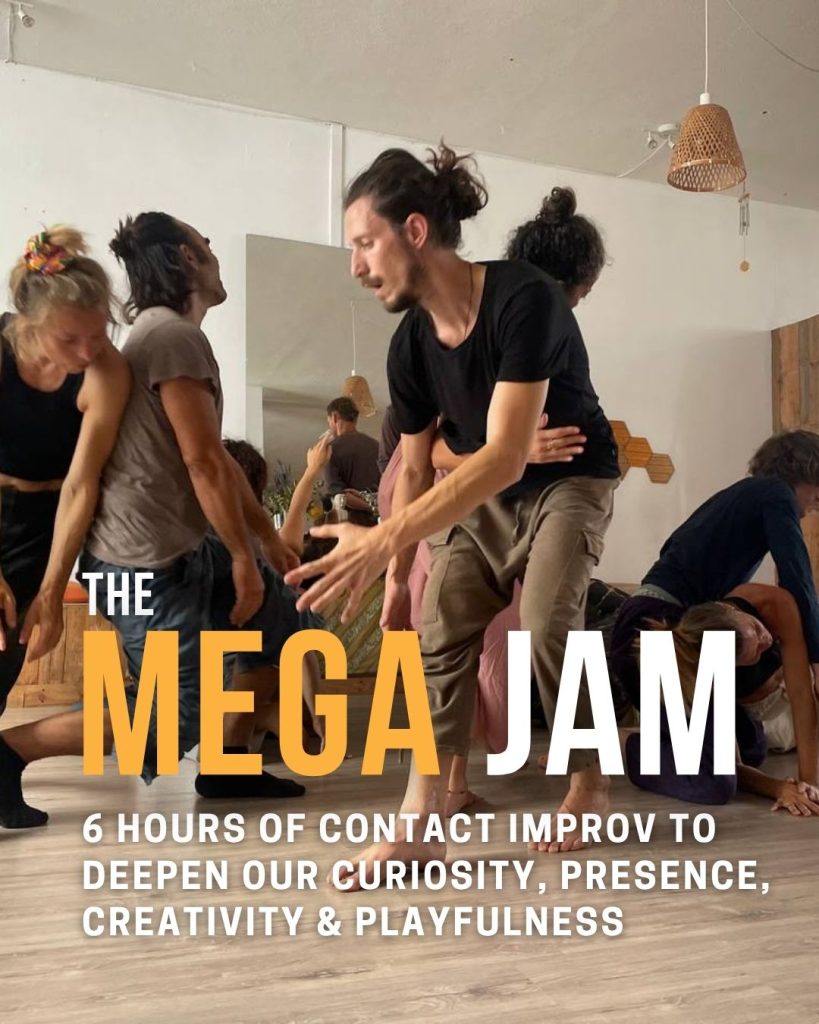
Contact Improvisation is an open-ended exploration of the kinaesthetic possibilities of bodies moving through contact. Sometimes wild and athletic, sometimes quiet and meditative, it is a form open to all bodies and enquiring minds.
– From Ray Chung workshop announcement, London, 2009
Contact Improvisation is an evolving system of movement initiated in 1972 by American choreographer Steve Paxton. The improvised dance form is based on the communication between two moving bodies that are in physical contact and their combined relationship to the physical laws that govern their motion—gravity, momentum, inertia. The body, in order to open to these sensations, learns to release excess muscular tension and abandon a certain quality of willfulness to experience the natural flow of movement. Practice includes rolling, falling, being upside down, following a physical point of contact, supporting and giving weight to a partner.
Contact improvisations are spontaneous physical dialogues that range from stillness to highly energetic exchanges. Alertness is developed in order to work in an energetic state of physical disorientation, trusting in one’s basic survival instincts. It is a free play with balance, self-correcting the wrong moves and reinforcing the right ones, bringing forth a physical/emotional truth about a shared moment of movement that leaves the participants informed, centered, and enlivened.
– Early definition by Steve Paxton and others, from CQ Vol. 5:1, 1979
Contact improvisation supports us to:
- Develop embodied awareness: tuning into sensation, balance, weight, and momentum in real time.
- Build strength and resilience: through lifting, yielding, spiraling, and sharing weight safely.
- Cultivate trust: in ourselves, in others, and in the intelligence of the body.
- Give and receive support: learning when to lean, when to carry, and when to let go.
- Expand relational intelligence: sensing boundaries, negotiating consent, and communicating without words.
- Transform habitual patterns: exploring alternatives to control, passivity, or rigidity.
- Increase adaptability: responding creatively to the unexpected.
- Integrate opposites: strength and softness, power and surrender, structure and spontaneity.
- Access play and curiosity: rediscovering movement as exploration rather than performance.
- Deepen presence: staying grounded and connected while in dynamic interaction.
- Embrace creative risk: stepping into the unknown with support and awareness.
- Experience shared flow: moments where movement feels effortless, collaborative, and alive.
Workshops
Below are some of the topics for workshops that I have been sharing.
Each explores different principles and practices related to a particular aspect of Contact Improvisation.
Each can be offered individually as a standalone workshop, as part of a series over several weeks, or integrated into a multi-day event.
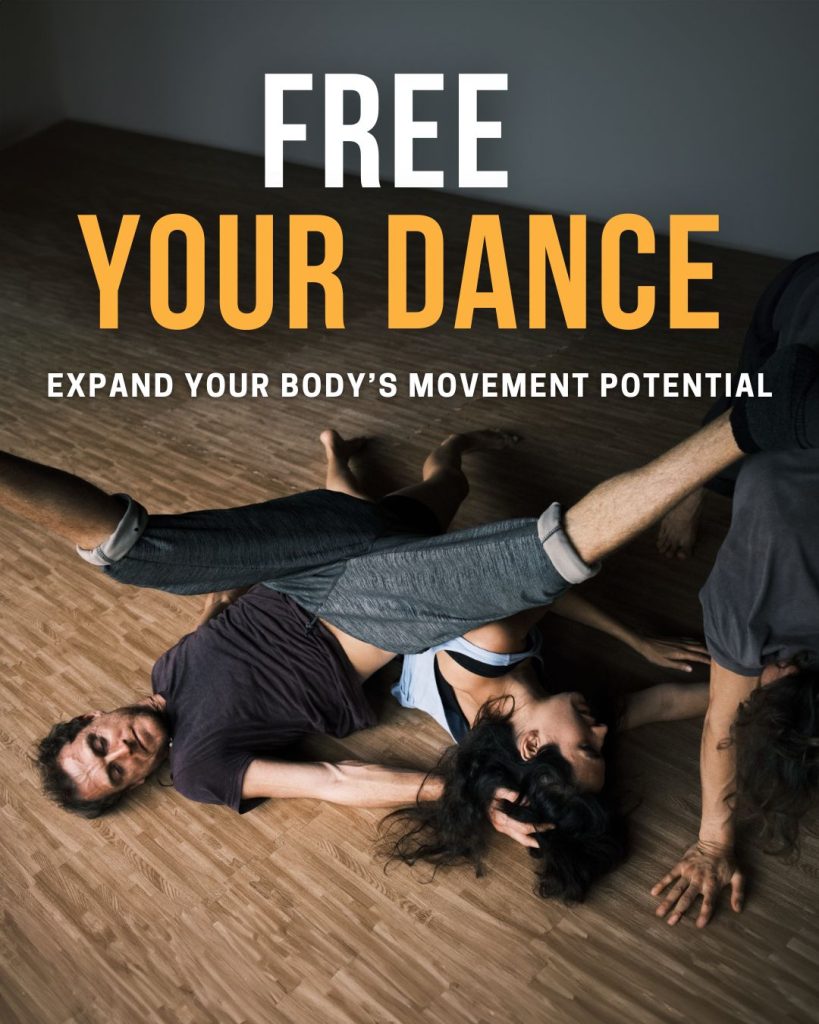

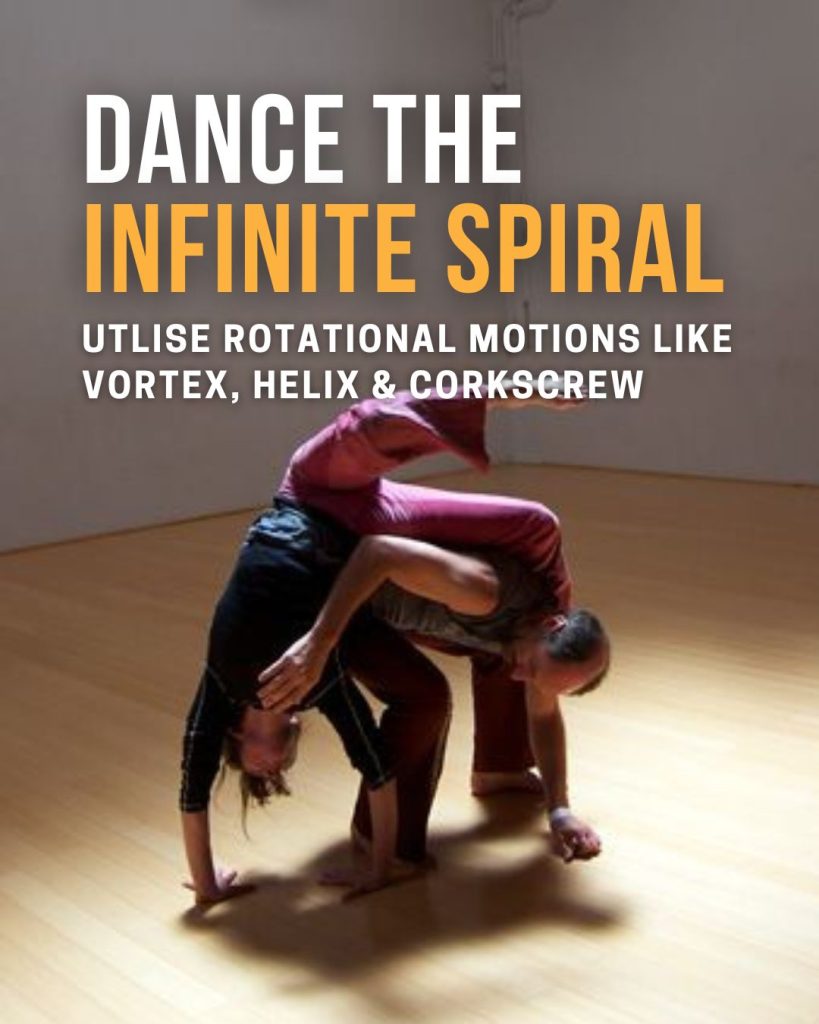
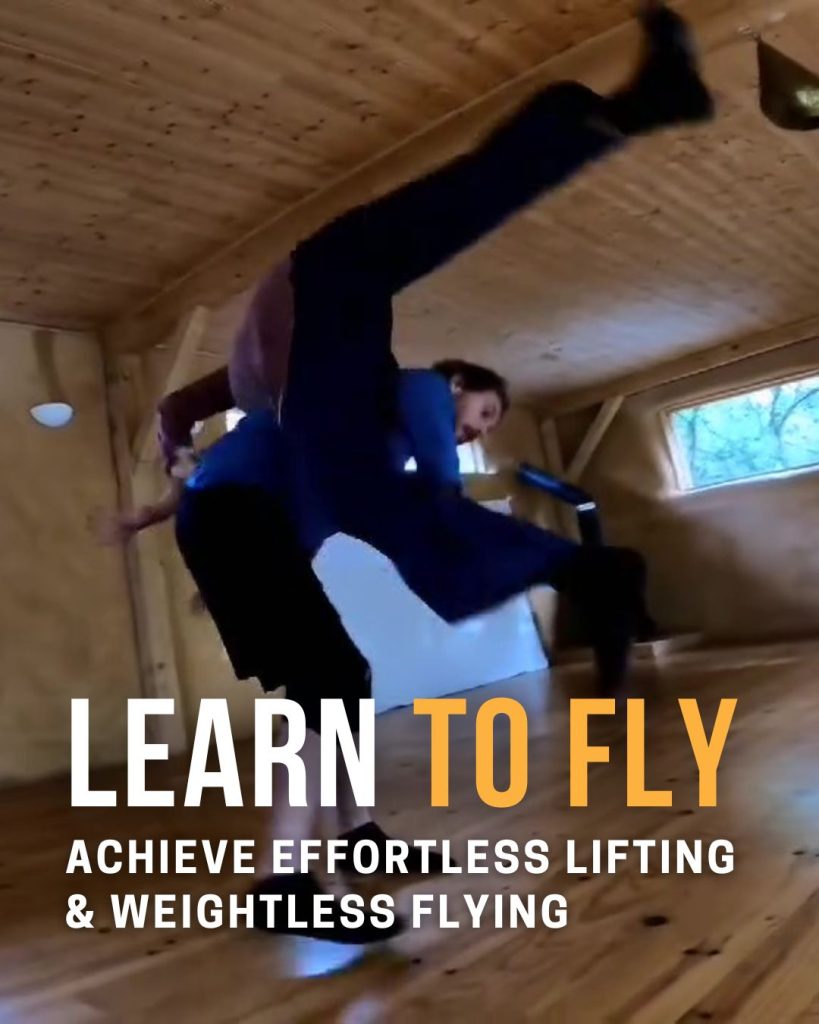
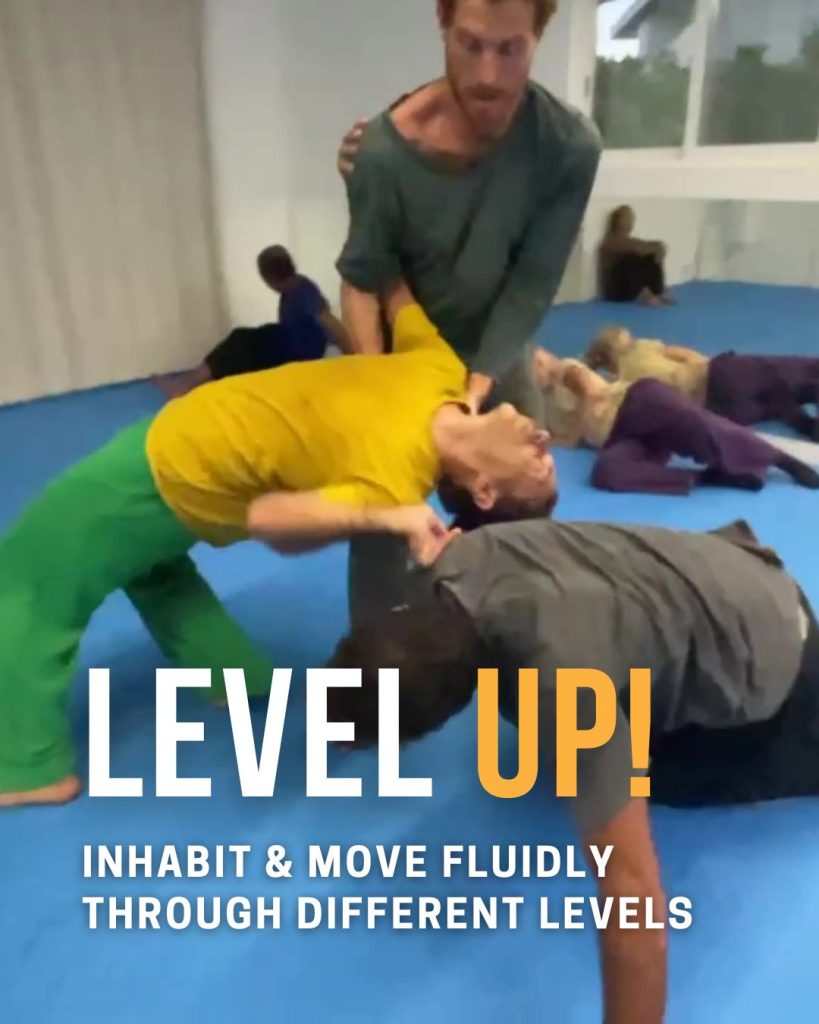
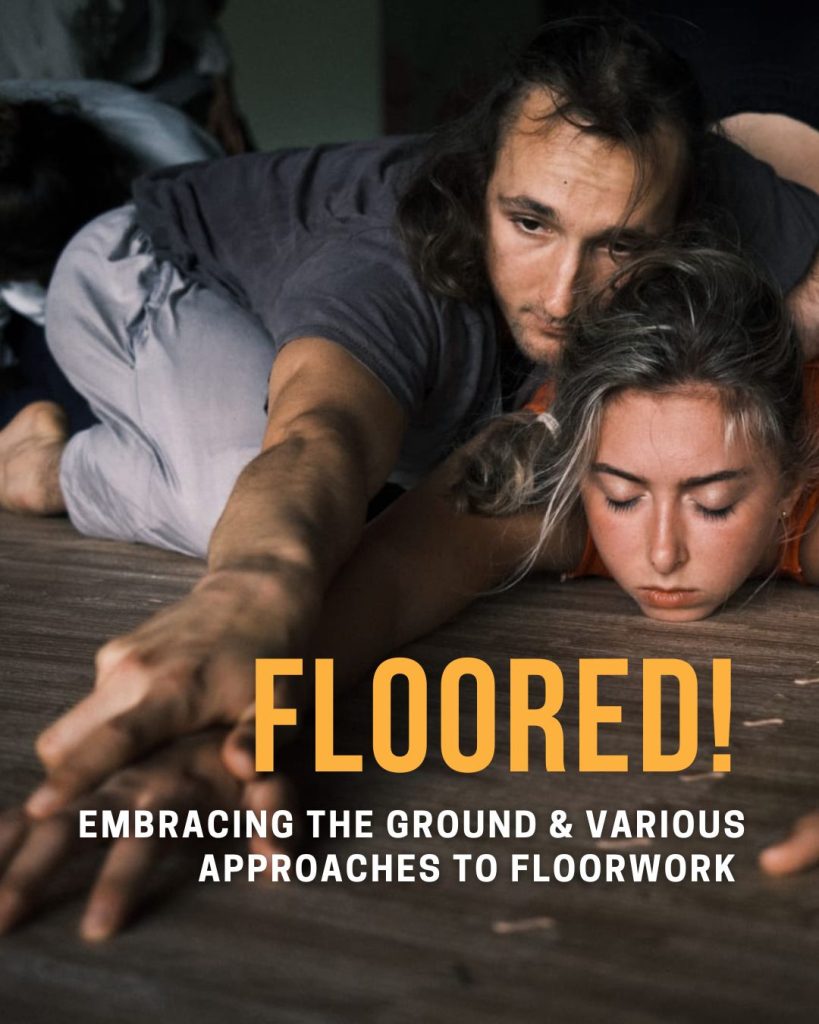
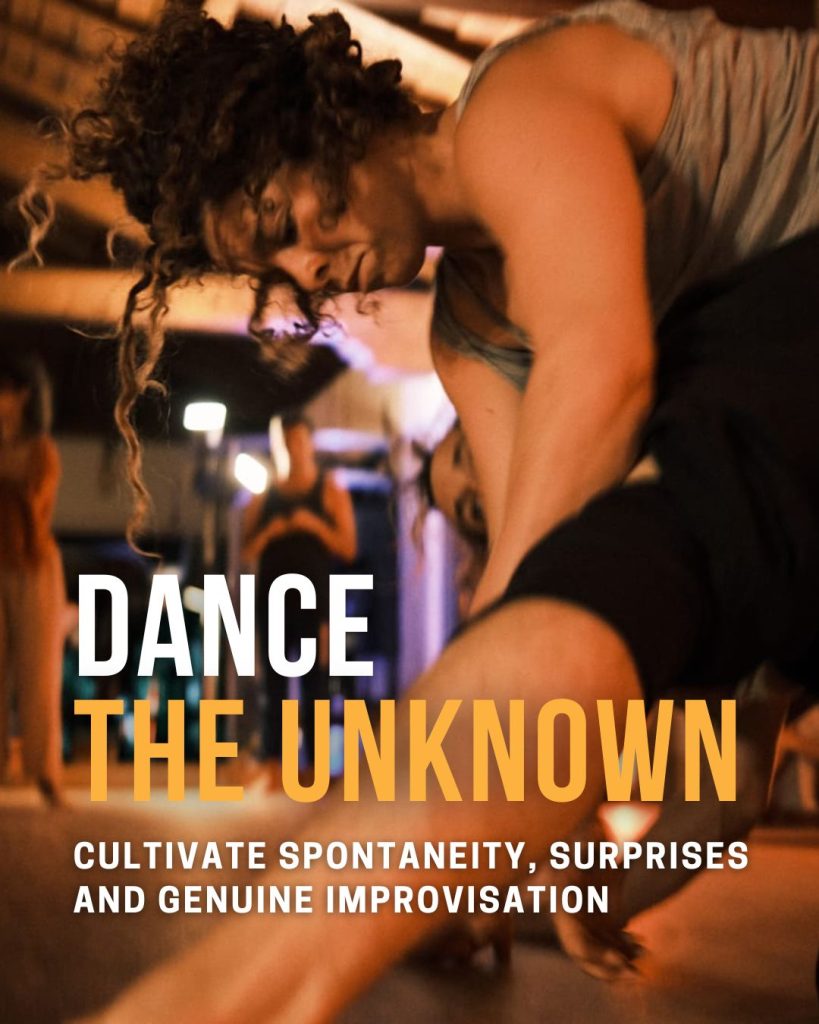
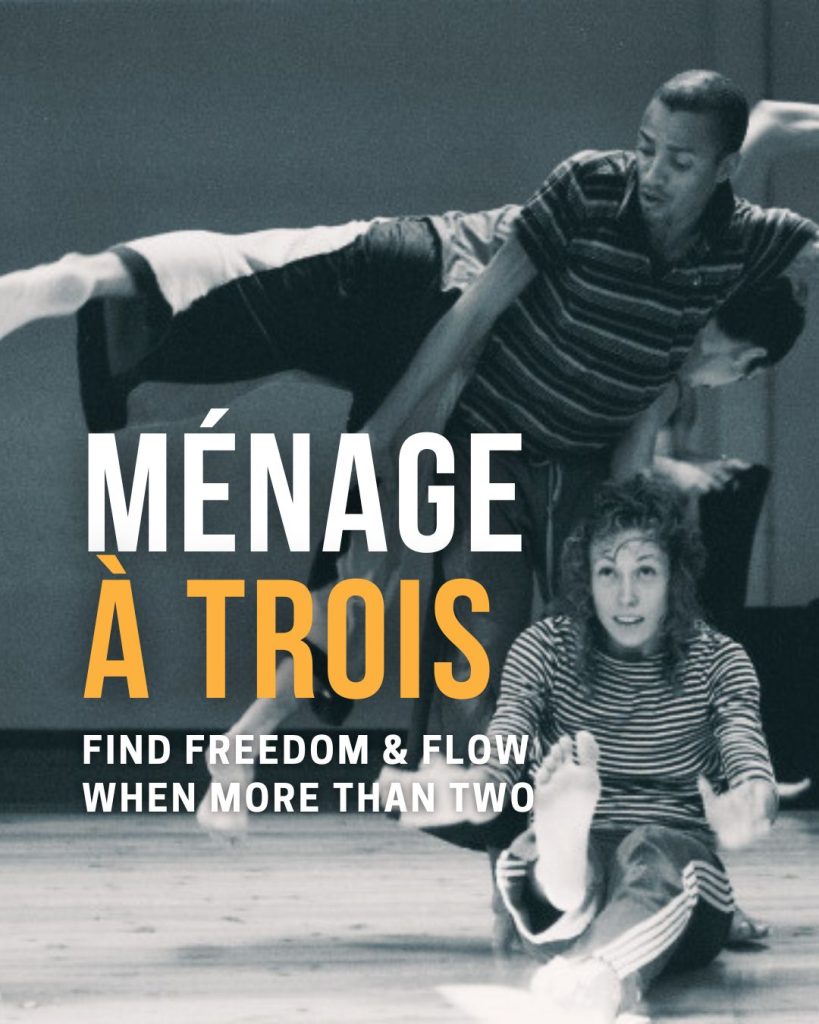
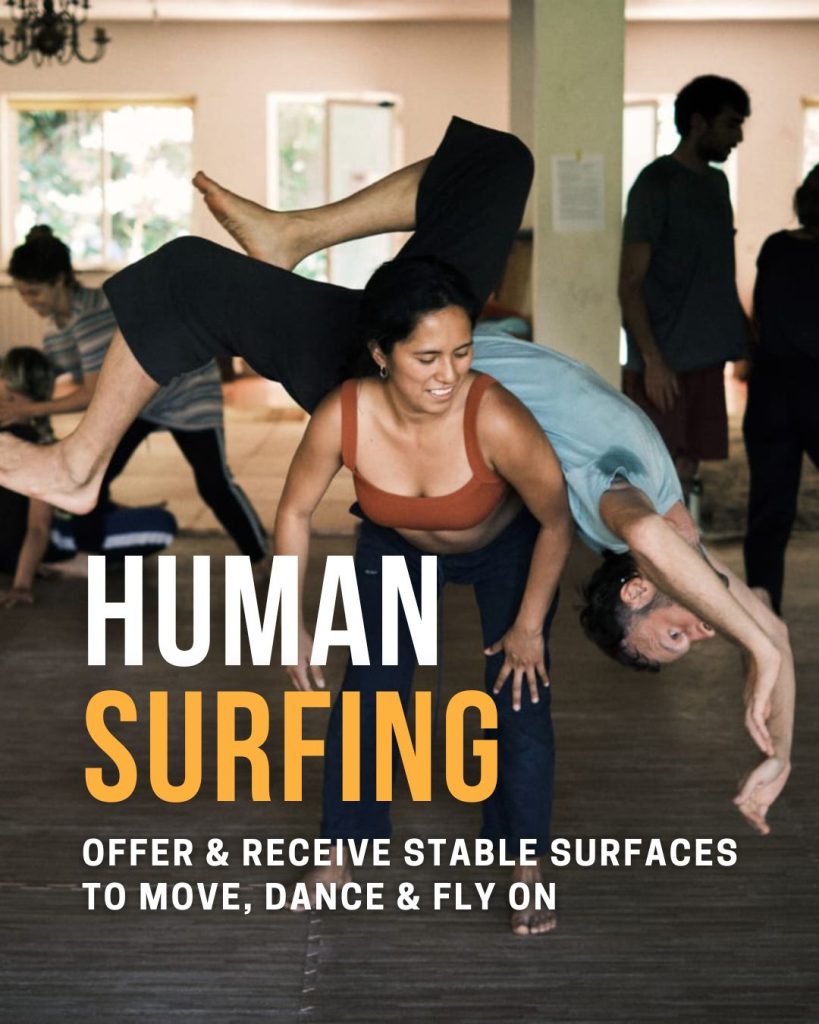
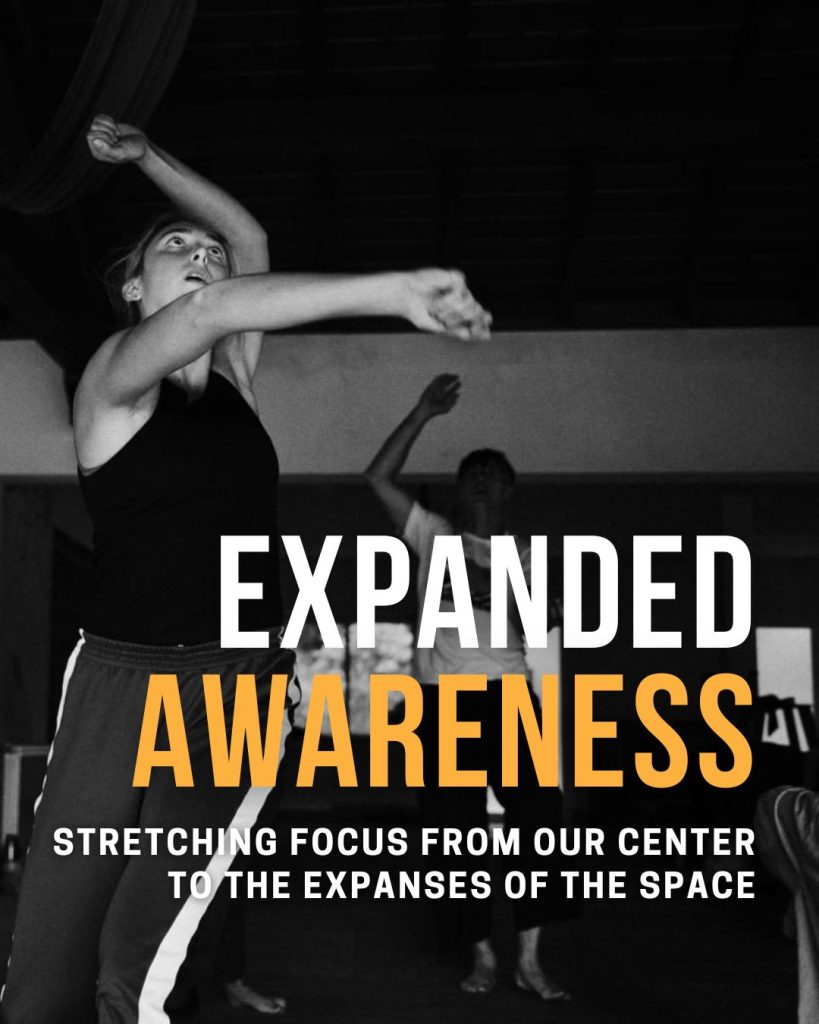
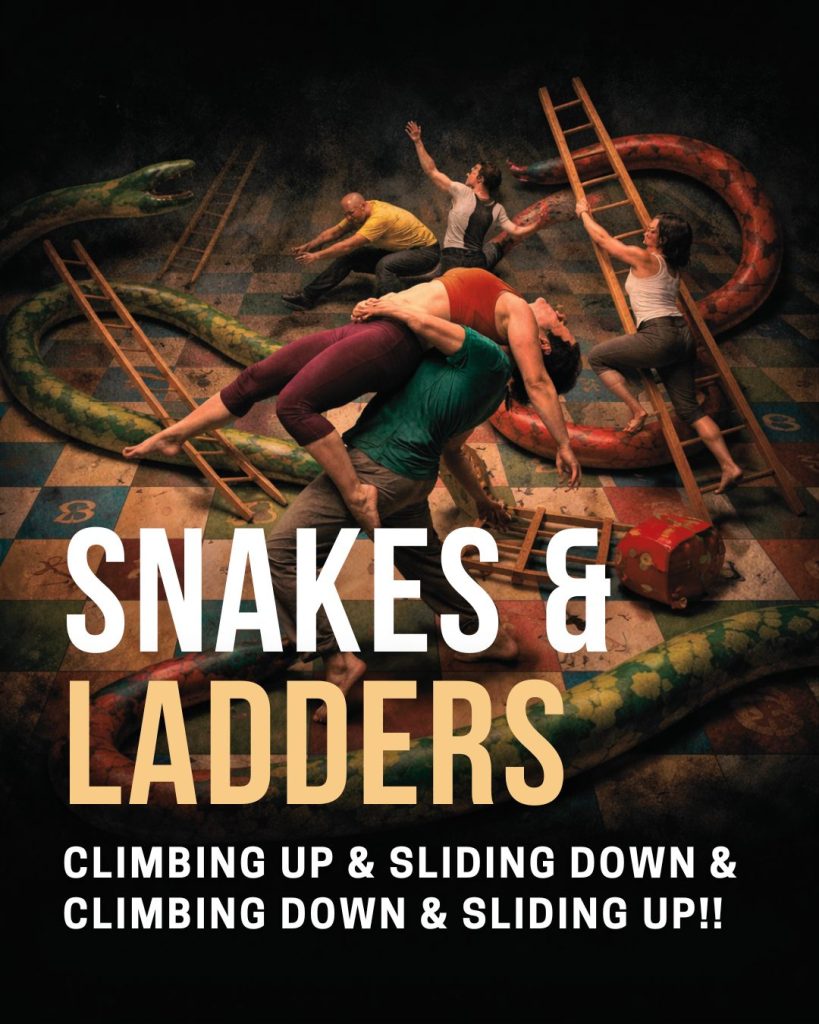

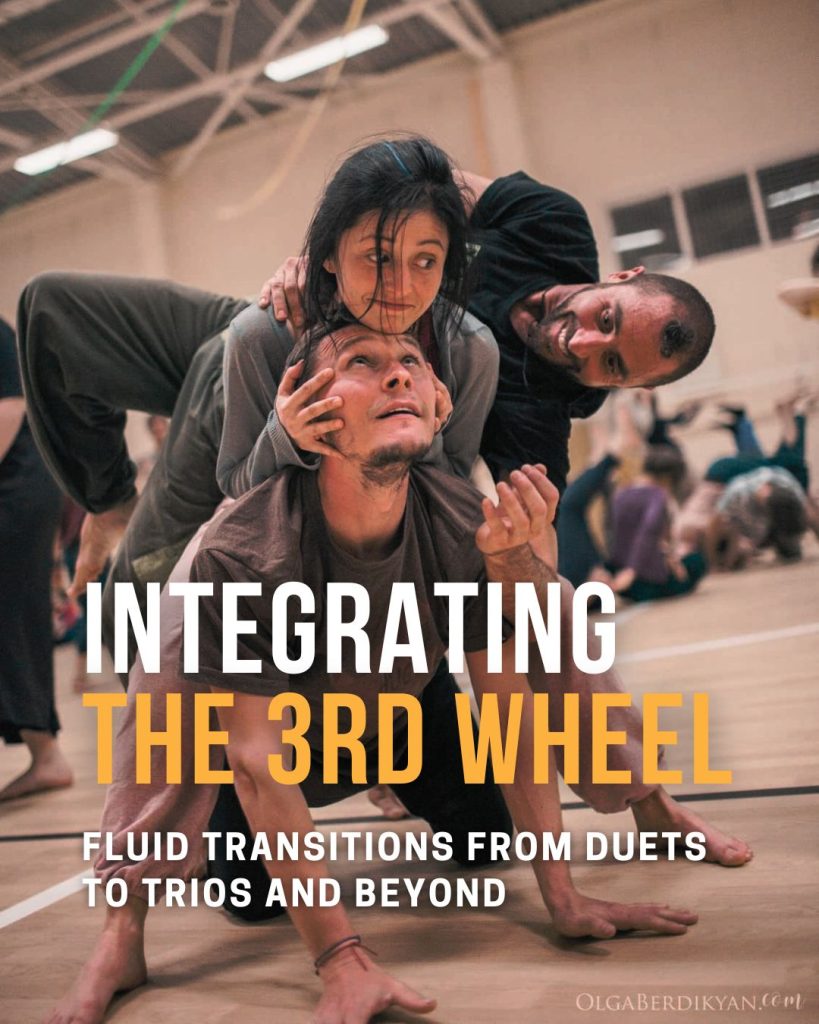
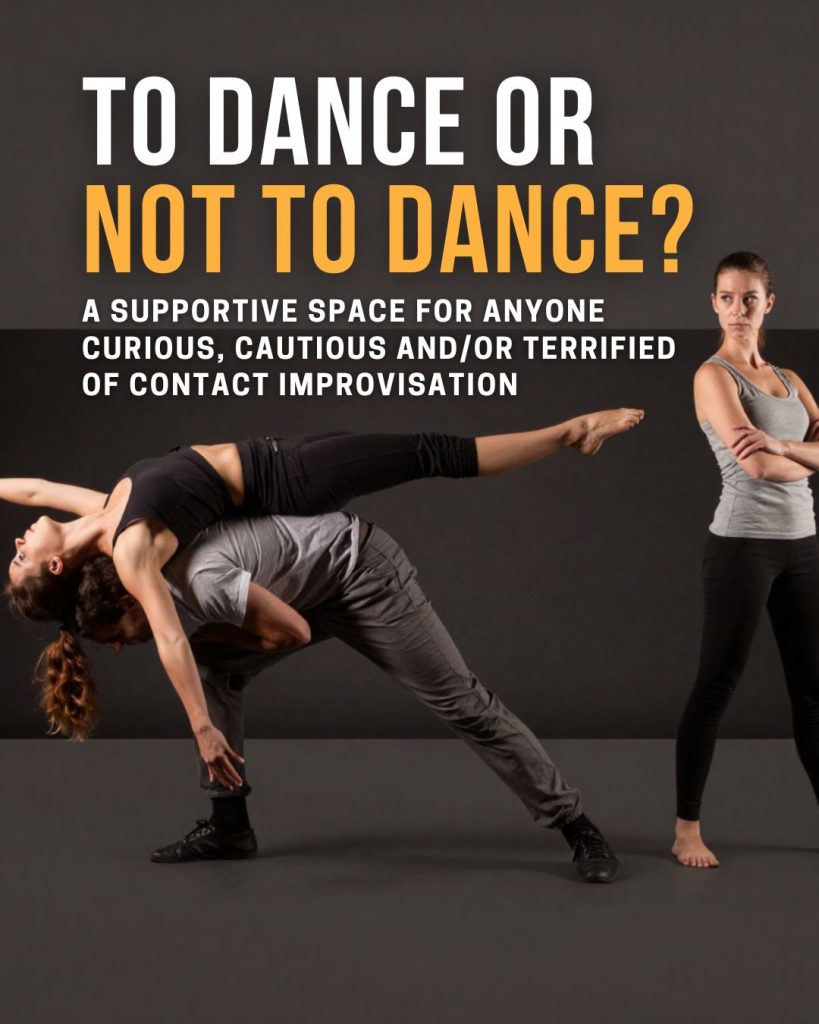
Any interest you?
If you would like one or more workshops in any of these topics, I am happy to offer them either privately for your group, or publicly in your area, IF you are willing to host it, or find someone who will.
Supportive resources
Steve Paxton
- Material for the Spine: A Movement Study (2008) - A foundational exploration of the solo practice underlying Contact Improvisation, investigating gravity, alignment, skeletal support, and internal sensation.
- Drafting Interior Techniques (1999) - A detailed articulation of the physical principles that inform Contact Improvisation, offering insight into its technical and perceptual foundations.
Nancy Stark Smith
- Caught Falling: The Confluence of Contact Improvisation (2017) – A reflective collection of writings tracing the evolution of Contact Improvisation and the philosophy of falling, listening, and relational movement.
Andrea Olsen
- Body and Earth: An Experiential Guide (2002) – Connects anatomical awareness, movement exploration, and environmental perception, resonating strongly with Contact Improvisation practice.
Nita Little
- Making a Dance: The Choreographic Life of Contact Improvisation (lectures & published writings) – Investigates the compositional, relational, and performative dimensions of Contact Improvisation.
Contact Quarterly (Various Authors)
- Contact Improvisation Sourcebook (CQ Volumes) (1975–present) – A long-running collection of essays, interviews, and reflections documenting the global development of the practice.
Contact Quarterly
- www.contactquarterly.com – The central publication and archival hub for Contact Improvisation worldwide, including articles, event listings, and historical material.
Earthdance Creative Living Project
- www.earthdance.net - A residency and retreat center rooted in Contact Improvisation, offering trainings, jams, and research-based practice.
Contact Improvisation Global Calendar
- www.contactimprov.net - An international directory of jams, festivals, and teachers across the world.
Round Robin Project (Daniel Lepkoff & collaborators)
- www.roundrobinproject.com - Research-based explorations into long-form improvisation and performance emerging from Contact Improvisation practice.
Nita Little / Action Theater & CI Research
- www.nitalittle.com - Writings, training programs, and theoretical explorations bridging Contact Improvisation, performance, and embodied inquiry.